
Why Kids Think STEM Is Difficult (And How Hands-On Learning Makes It Fun and Engaging)
How Do We Change the Perception That STEM Is “Too Hard”?
Somewhere along the way, a lot of kids start to believe the same thing:
STEM is hard.
STEM is boring.
STEM isn’t for me.
And once that belief sets in, they stop trying before they even begin.
But here’s the truth:
STEM isn’t the problem.
The way it’s introduced is.
STEM Feels Difficult When It Feels Distant
For many kids, STEM is taught as:
- Abstract concepts
- Complicated formulas
- Vocabulary to memorize
- Problems with only one “right” answer
It feels disconnected from their world.
So naturally, they compare it to other subjects that feel more expressive or creative —
and STEM loses.
Not because it is less fun…
but because it feels less personal.
What If STEM Felt Like Creating Instead of Studying?
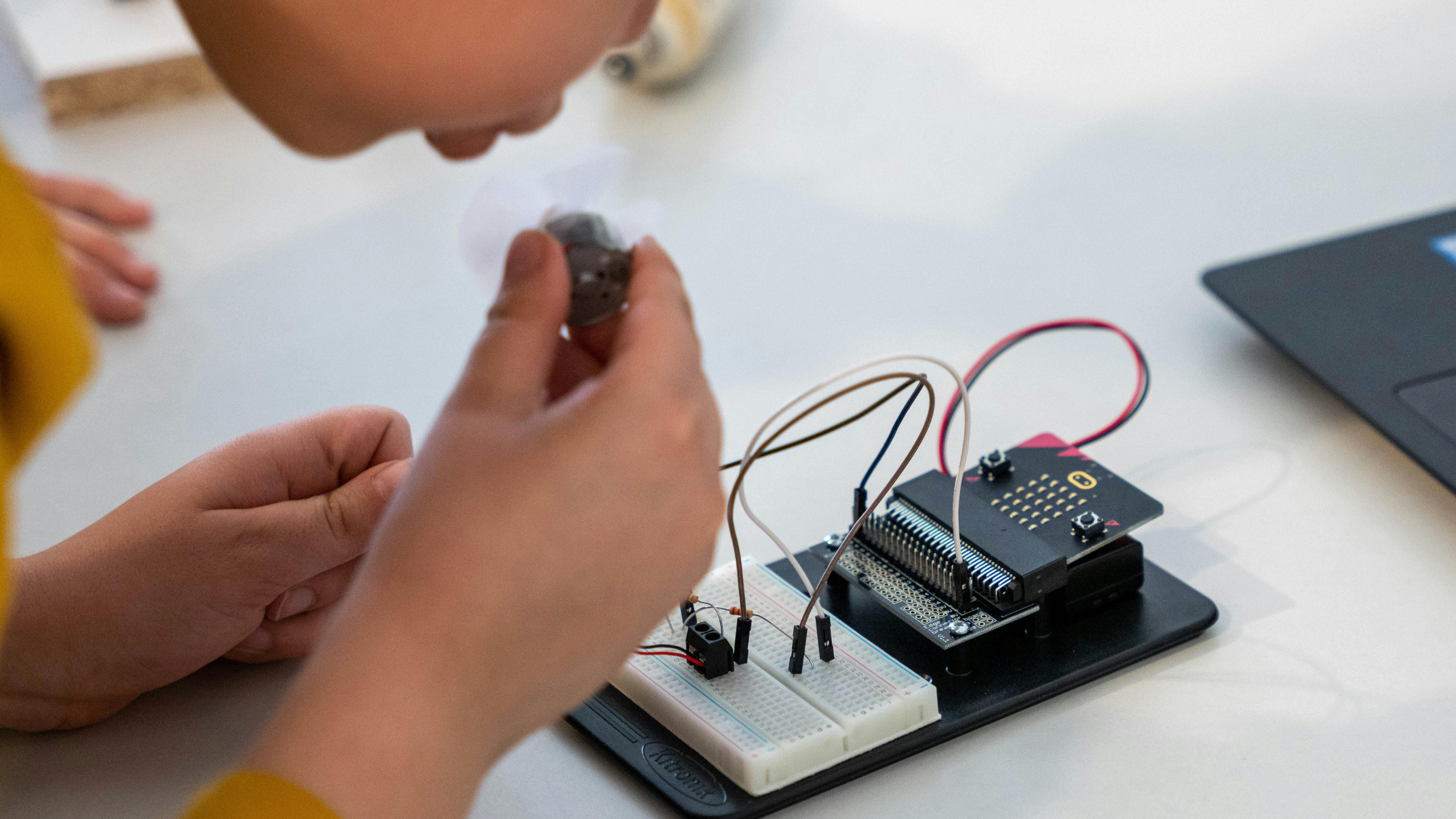
The perception changes the moment STEM becomes something they can:
- Touch
- Build
- Experiment with
- See working in real life
When kids shift from learning about something to creating something, everything changes.
Instead of asking:
“Is this right?”
They start asking:
“What happens if I try this?”
That’s curiosity.
That’s engagement.
That’s where STEM becomes fun.
The Real Problem: We Introduce STEM Too Late
By the time many kids are introduced to STEM in a meaningful way,
they’ve already decided it’s not for them.
They’ve already labeled themselves as:
- “Not a math person”
- “Not good at science”
But those labels don’t come from ability.
They come from experience.
If their first experiences with STEM feel frustrating or confusing,
they assume the subject is the problem — not the approach.
Hands-On Learning Changes the Story
When STEM is hands-on, something powerful happens:
- Kids see immediate results
- Mistakes feel like part of the process
- Learning feels active, not passive
- Progress feels visible
And most importantly —
they start to enjoy it.
Because now it feels like:
- Building something cool
- Solving a puzzle
- Figuring out how things work
Not studying.
Confidence Comes Before Interest
Here’s something most people get backwards:
Kids don’t get interested in STEM first.
They get confident first.
When they successfully build something…
When they figure something out on their own…
When they can explain how it works…
They start to think:
“Maybe I am good at this.”
And that belief is what opens the door to deeper interest.
Making STEM Feel Like It Belongs to Them
If we want to change the perception of STEM, we don’t need to make it easier.
We need to make it:
- More tangible
- More creative
- More connected to real life
- More about discovery than perfection
Because STEM isn’t just equations and definitions.
It’s:
- Designing
- Building
- Testing
- Improving
- Imagining what’s possible
When kids experience STEM this way,
it stops feeling like a “hard subject”…
and starts feeling like something they can actually do.
STEM Can Be Fun — If We Let It Be
The goal isn’t to convince kids that STEM is important.
The goal is to let them discover why it is.
Through building.
Through trying.
Through creating something that works.
Because once they feel that moment of:
“I made this… and I understand it.”
The perception changes on its own.

She’s curious. You can guide her.
Join the newsletter for simple ways to spark her love for STEM — through inspiration, stories, and ideas you can use right away.
Latest from the Blog
-

Why Kids Think STEM Is Difficult (And How Hands-On Learning Makes It Fun and Engaging)
How Do We Change the Perception That STEM Is “Too Hard”? Somewhere along the way, a lot of kids start to believe the same thing: STEM is hard.STEM…
-

Why Hands-On STEM Learning Helps Kids Understand Faster and Remember Longer
The Moment Everything Changes in Learning There’s a moment you can actually see when it happens. It’s when a student stops asking:“Why do I need to know this?”…
-

STEM Isn’t About Being Smart — It’s About Being Curious
For a long time, STEM has been framed as something only “smart kids” do.The kids who raise their hands first.The kids who finish worksheets the fastest.The kids who…
-

What Makes a STEM Kit Actually Educational?
STEM kits are everywhere — on store shelves, in gift guides, and all over social media feeds. They promise to spark curiosity, build skills, and inspire the next…
-

How Displaying Kids’ Projects Boosts Their Motivation to Learn STEM
If you’ve ever watched a child proudly show off something they made — a drawing, a Lego build, a poster, a craft — you already know the power…
Latest updates
-
Update #5: Designing for Moms + Daughters (and Future Paths)
What we’re working on Designing the shared experience that connects building together with exploring future career paths. Why it matters This isn’t just about spending time together —…
-
Update #4: What We’re Building First
What we’re working on Deciding which career paths and skills to introduce first through our earliest kits. Why it matters The first kits don’t just teach how to…
-
Update #3 — The Big Idea: STEM That Stays
What we’re working on Clarifying what makes STEM That Stays fundamentally different from other STEM kits. Why it matters Most STEM kits focus on doing an activity. STEM…
-
Update #2: The Problem With Most STEM Kits
What we’re working on Understanding why so many STEM kits don’t actually stick. Why it matters Most kits are fun for an afternoon—and forgotten by the next week.…

Follow the Journey
Join the mail list to see new updates and get early access when we launch!